

English-Speaking Endocrinologist in Budapest’s 13th District
Consultation hours:
Wednesday: 12:30 – 14:30
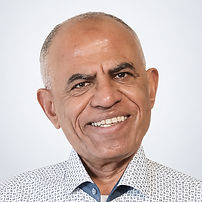
Dr. Qawyean Yusef Abubakar
endokrinológus, diabetológus
és belgyógyász
Comprehensive assessment of hormonal and metabolic conditions, combining endocrinology, diabetology and internal medicine expertise.
Are you looking for an assessment of a thyroid condition, hormone imbalance, insulin resistance, irregular periods, PCOS, weight concerns or persistent fatigue?
Our endocrinology service provides targeted assessment, treatment and long-term follow-up for disorders of the hormonal system.
As a specialist in endocrinology, diabetology and internal medicine, Dr Qawyean Yusef Abubakar evaluates hormonal conditions together with their metabolic and internal medicine aspects. This can be particularly helpful when thyroid or female hormonal concerns occur alongside insulin resistance, abnormal blood glucose levels, weight concerns, high blood pressure or another medical condition.
Endocrinology consultations are available in English, Hungarian and Arabic.
Specialist care is supported by a wide range of on-site laboratory tests, thyroid ultrasound and other ultrasound examinations.
1132 Budapest, Visegrádi utca 40 – District XIII
What can we help you with?



When should you see an endocrinologist?
The symptoms of hormonal disorders are often non-specific. A single symptom does not necessarily indicate a hormonal condition, but a combination of symptoms or abnormal laboratory results may warrant an endocrinology assessment.
You may wish to consult an endocrinologist if you experience:
-
persistent fatigue or weakness;
-
unexplained weight gain or weight loss;
-
difficulty losing weight;
-
increased sensitivity to cold or intolerance to heat;
-
dry skin;
-
hair loss;
-
excessive sweating;
-
heart palpitations;
-
sleep problems;
-
persistent constipation or frequent diarrhea;
-
irregular or missed periods;
-
excessive hair growth;
-
suspected fertility problems of hormonal origin;
-
unexpected breast milk production unrelated to pregnancy or breastfeeding;
-
an enlarged thyroid or thyroid nodule;
-
abnormal TSH levels or other abnormal hormone test results;
-
insulin resistance;
-
suspected high blood pressure of hormonal origin;
-
a calcium metabolism disorder or osteoporosis;
-
a family history of thyroid disease or other hormonal disorders; or
-
a previously diagnosed thyroid, adrenal, pituitary or other hormonal condition requiring follow-up and long-term care.
You do not need to know in advance whether your symptoms have a hormonal cause. One purpose of the endocrinology assessment is to determine whether further hormonal testing or another type of investigation is appropriate.
What conditions does an endocrinologist treat?
Endocrinology is the medical specialty concerned with the hormonal system and disorders of the endocrine glands that produce hormones.
Hormones influence metabolism, blood glucose regulation, body weight, the menstrual cycle, fertility, bone metabolism, blood pressure and many other functions throughout the body.
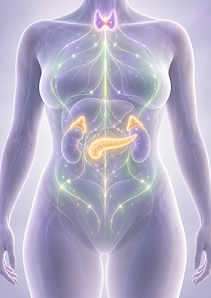
The endocrine system includes the thyroid, parathyroid glands, pituitary gland, adrenal glands, the hormone-producing cells of the pancreas, and the system responsible for producing and regulating sex hormones.
Because of this, a hormonal disorder may cause symptoms that appear unrelated. A thorough assessment considers not only a single laboratory value but also the patient’s symptoms, medical history, physical examination, laboratory results and, when needed, imaging findings.
Thyroid conditions
Thyroid hormones play an essential role in regulating metabolism. Changes in thyroid function or structure can therefore affect the whole body.
Endocrinology assessment and follow-up are available for conditions including:
-
underactive thyroid – hypothyroidism;
-
overactive thyroid – hyperthyroidism;
-
Hashimoto’s thyroiditis;
-
Graves’ disease;
-
thyroid enlargement or goiter;
-
thyroid nodules;
-
abnormal thyroid test results; and
-
follow-up of a previously diagnosed thyroid condition.
Thyroid blood tests and ultrasound in one location.
A wide range of thyroid laboratory tests is available at the clinic:
TSH, free T3 (FT3), free T4 (FT4), total T3, reverse T3, anti-TPO, anti-TG, thyroglobulin, TSH-receptor antibodies (TRAb/TRAK) and calcitonin.
Tests can be requested individually, and Thyroid and Thyroid Plus laboratory packages are also available.
In addition to laboratory diagnostics, thyroid and salivary gland ultrasound examinations performed by a radiologist are available at the clinic.
Thyroid function and thyroid structure are assessed in different ways. Blood tests may be needed to evaluate hormone function, while ultrasound can assess the size and structure of the thyroid and identify nodules. The two types of examination complement each other.
Insulin resistance and metabolic disorders
Insulin is a hormone produced by the pancreas and plays a key role in regulating blood glucose levels.
As both an endocrinologist and a diabetologist, Dr Qawyean Yusef Abubakar assesses insulin resistance, disorders of glucose metabolism and associated hormonal conditions.
Based on your symptoms and medical history, the specialist can determine which laboratory tests are appropriate as part of the assessment.
PCOS, irregular periods and female hormonal concerns
Female hormonal disorders can affect the menstrual cycle, skin, hair, body weight and fertility.
An endocrinology assessment may be appropriate in cases such as:
-
PCOS or suspected PCOS;
-
irregular or missed periods;
-
excessive hair growth;
-
hair loss;
-
acne;
-
elevated prolactin levels;
-
weight concerns that may have a hormonal cause; or
-
suspected fertility problems of hormonal origin.
Some hormonal conditions involve more than one medical specialty. When appropriate, the assessment may therefore be complemented by a gynecology, diabetology or other specialist consultation.
Weight concerns and obesity
Weight gain can have many causes, and difficulty losing weight alone does not prove the presence of a hormonal disorder.
An endocrinology assessment may be particularly appropriate when changes in weight occur together with other symptoms or findings, such as:
-
irregular periods;
-
excessive hair growth;
-
a thyroid disorder;
-
significant fatigue;
-
a disorder of blood glucose or insulin metabolism; or
-
another hormonal abnormality.
Our endocrinologist takes a comprehensive approach to obesity and its hormonal, metabolic, diabetes-related and internal medicine aspects.
Adrenal gland disorders
The adrenal glands produce several hormones that influence metabolism, blood pressure, salt and fluid balance, and the body’s stress response.
Endocrinology assessment may include conditions such as:
-
Cushing’s syndrome;
-
Conn’s syndrome;
-
disorders involving excess production of adrenal hormones;
-
congenital adrenal hyperplasia;
-
high blood pressure of adrenal origin; and
-
hormonal assessment of an adrenal abnormality discovered on imaging.
Pituitary gland disorders
The pituitary gland plays a central role in regulating the function of several other hormone-producing organs.
Pituitary conditions may include:
-
prolactinoma;
-
elevated prolactin levels;
-
acromegaly;
-
Cushing’s disease;
-
hormone-producing and non-functioning pituitary lesions;
-
pituitary insufficiency;
-
diabetes insipidus; and
-
certain disorders of fluid and electrolyte balance.
Parathyroid disorders and vitamin D and calcium metabolism
Parathyroid hormone and vitamin D work closely together to regulate calcium and bone metabolism.
Endocrinology assessment may cover conditions including:
-
overactive parathyroid glands – hyperparathyroidism;
-
underactive parathyroid glands – hypoparathyroidism;
-
abnormal calcium levels;
-
disorders of vitamin D and calcium metabolism;
-
bone metabolism disorders of hormonal origin; and
-
assessment of a possible hormonal cause of osteoporosis.
Male hormonal disorders and testosterone deficiency
Testosterone is one of the principal male sex hormones. Its production is regulated by the coordinated function of the pituitary gland and the testes. A hormonal imbalance in men can affect general well-being, sexual function, muscle and bone metabolism, body composition and fertility.
An endocrinology assessment may be appropriate in cases such as:
-
reduced sexual desire;
-
persistent fatigue, weakness or reduced performance;
-
loss of muscle strength or muscle mass;
-
unexplained increase in body fat or difficulty losing weight;
-
reduced beard or body hair growth;
-
breast enlargement;
-
suspected hormonal causes of erectile dysfunction;
-
male fertility concerns;
-
low or otherwise abnormal testosterone levels; or
-
abnormal LH, FSH or prolactin results.
These symptoms are not caused exclusively by hormonal disorders, so a diagnosis cannot be made from a single symptom or one testosterone result. The specialist evaluates the symptoms together with previous medical conditions, current medication, body weight, metabolic health and available laboratory results.
If needed, targeted hormone tests can help determine whether the symptoms may be related to altered hormone production in the testes, a disorder of pituitary regulation, or another hormonal, metabolic or internal medicine condition. The required tests are selected by the specialist in each case.
If there are concerns about fertility, erectile dysfunction or a testicular abnormality, an andrology or urology examination may also be needed alongside the endocrinology assessment.
What happens during an endocrinology assessment?
1. Detailed medical history
The specialist will review your current symptoms and when they began, your previous medical conditions, family history, current medication and any previous medical records available.
2. Physical examination
Depending on your symptoms, a physical examination may be performed to assess clinical signs that could indicate a hormonal disorder.
3. Targeted laboratory tests
Hormone tests and other laboratory investigations should be selected according to your symptoms, medical history and the suspected condition.
You do not need to arrange a large hormone panel on your own before the consultation.
If you already have laboratory results, please bring them with you. If further tests are needed, the specialist will specify the relevant parameters.
4. Diagnostic imaging
The assessment may include:
-
thyroid ultrasound;
-
abdominal and pelvic ultrasound;
-
gynecological ultrasound; or
-
further imaging when medically indicated.
Thyroid and salivary gland ultrasound, gynecological ultrasound, and abdominal and pelvic ultrasound examinations are also available at the clinic.

What should you bring to your first endocrinology appointment?
If available, please bring:
-
previous laboratory results;
-
reports from previous thyroid ultrasounds or other imaging examinations;
-
previous endocrinology, diabetology or other relevant medical records;
-
a list of your current medications; and
-
a list of any dietary supplements you take regularly.
You can still book an endocrinology consultation if you do not have any previous test results or medical records.
Why choose our endocrinology service?
Three medical specialties, one integrated approach
Dr Qawyean Yusef Abubakar is a specialist in internal medicine, endocrinology and diabetology. This allows him to assess hormonal, metabolic and general medical conditions that are often closely connected within one integrated clinical approach.
A wide range of laboratory tests on site
Many of the hormonal and other laboratory tests recommended by the specialist can be performed at our on-site blood collection facility.
Thyroid ultrasound on site
Thyroid and salivary gland ultrasound performed by a radiologist is also available at the clinic to assess the structure of the thyroid.
Several medical specialties in one clinic
When needed, gynecology, diabetology, internal medicine, radiology and other related specialist services are available in the same clinic.
Convenient location in Budapest’s 13th District
Visegrádi40 Private Clinic is located in Újlipótváros at 40 Visegrádi Street, 1132 Budapest.
Frequently asked questions about endocrinology appointments
Do I need a referral to see an endocrinologist?
No. You can book an appointment at our private clinic without a referral.
Should I have blood tests before my first endocrinology appointment?
Not necessarily. If you already have recent or previous results, please bring them with you. Instead of arranging a large hormone panel in advance, it is usually better for the specialist to select the appropriate tests based on your symptoms and medical history.
Which specialist should I see for PCOS?
PCOS can involve both hormonal and gynecological factors. The appropriate assessment depends on your individual symptoms and medical history, so an endocrinology consultation, a gynecology consultation or both may be recommended.
Is thyroid ultrasound available at the clinic?
Yes. Thyroid and salivary gland ultrasound examinations performed by a radiologist are available on site.
What is the difference between thyroid blood tests and a thyroid ultrasound?
Blood tests primarily help assess thyroid hormone function and certain autoimmune processes. An ultrasound examines the size and structure of the thyroid and can identify nodules. The two types of examination provide different information and may complement each other.
When is a follow-up endocrinology appointment needed?
A follow-up appointment may be needed to review test results, after treatment has been started or adjusted, when new symptoms develop, or for the long-term monitoring of a diagnosed hormonal condition. The specialist will recommend the timing and any necessary tests based on your condition and treatment.
Private endocrinology consultations in Budapest’s 13th District
If you are looking for an English-speaking specialist for a thyroid condition, hormone imbalance, insulin resistance, PCOS, irregular periods, weight concerns or another endocrine condition, book an appointment with Dr Qawyean Yusef Abubakar at Visegrádi40 Private Clinic in Újlipótváros, Budapest’s 13th District.
40 Visegrádi Street, 1132 Budapest
Prices:
Initial endocrinology consultation: HUF 39,000
Follow-up endocrinology consultation: HUF 29,000